IDAHOBIT Day: The importance of positive representation in Australian children’s television
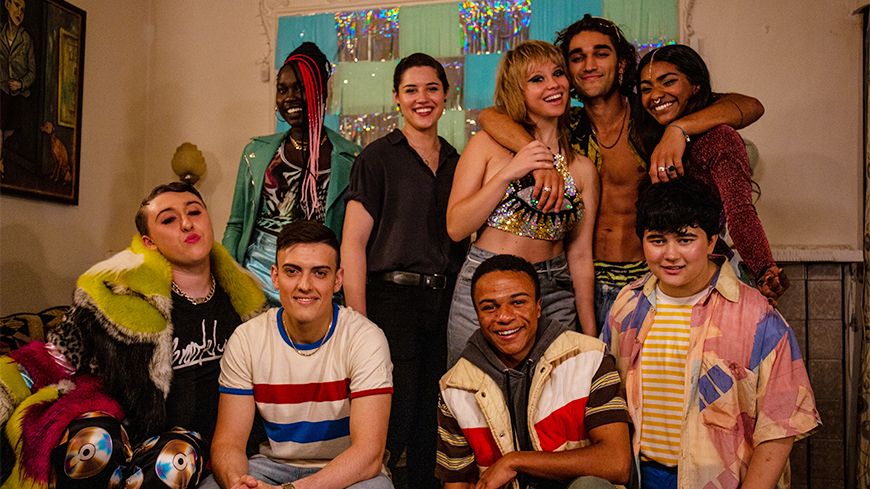
May 17 is IDAHOBIT day - International Day against Homophobia, Biphobia, Intersexism and Transphobia. The day originated in 1990, when the World Health Organisation removed homosexuality from the Classification of Diseases. Today, the purpose of IDAHOBIT day is to raise awareness and educate people on the work still required to stand against discrimination and create a safer environment for all members of the LGBTQIA+ (Lesbian, Gay, Bisexual, Transgender, Queer, Intersex, Asexual, inclusive) community.
In today’s complex media landscape, positive and diverse representations of the LGBTQIA+ community have never been more important for LGBTQIA+ youth. Screen stories play a powerful role in how young people see themselves, others and the world around them. Growing up knowing I was queer, I struggled to find age-appropriate content where I could identify myself on screen. For many young LGBTQIA+ people, the feeling of ‘not fitting in’ can start from a very young age. This feeling can be exacerbated by a lack of resources and examples of how they fit into the world and result in feelings of isolation, shame and depression that can linger into adulthood.
At the ACTF, our purpose is to make Australian children’s lives better through screen content that reflects Australia’s diverse culture and values. Accordingly, it is important that the range of content supported by the ACTF includes LGBTQIA+ representation. Here’s why children’s television that exhibits positive LGBTQIA+ representation is so important, and how it can help young people build confidence, empathy and a sense of belonging.

It is validating
When children see their lives reflected on screen, they experience validation, recognition, and gain a sense of belonging. Favourite characters can turn into positive role models, and recognisable and relatable storylines become a blueprint for children to understand how they can fit into the world. Children’s television can ultimately give kids a voice and show them that their stories are worth telling.
Discovering that you identify as LGBTQIA+ can be a complicated experience. Sammy’s journey with his sexuality in Dance Academy is a validating example of how one doesn’t have to know all the answers straight away when navigating their identity. In the first series, Sammy begins to develop feelings for his best friend Christian. What starts as unexplained jealousy when Christian starts spending more time with his crush Tara evolves into understanding that he is developing romantic feelings. This leaves Sammy extremely conflicted as in the past he has only had relationships with girls. Producer Joanna Werner explained in an interview that “[they] decided to treat this storyline not as a ‘gay’ story but about what happens when you fall in love with your best friend.” This approach validates a reality many young people experience: understanding who you are can take time and it’s okay not to have all the answers straight away.
It normalises diversity
Television shows influence what we think about others as well as ourselves. When we are exposed to a range of identities and backgrounds, it challenges our unconscious biases and provides the opportunity to step into other people’s shoes. This encourages a new form of understanding and acceptance to experiences we may not have ourselves, contributing to the development of empathy, kindness and a strong foundation of positive values towards others.
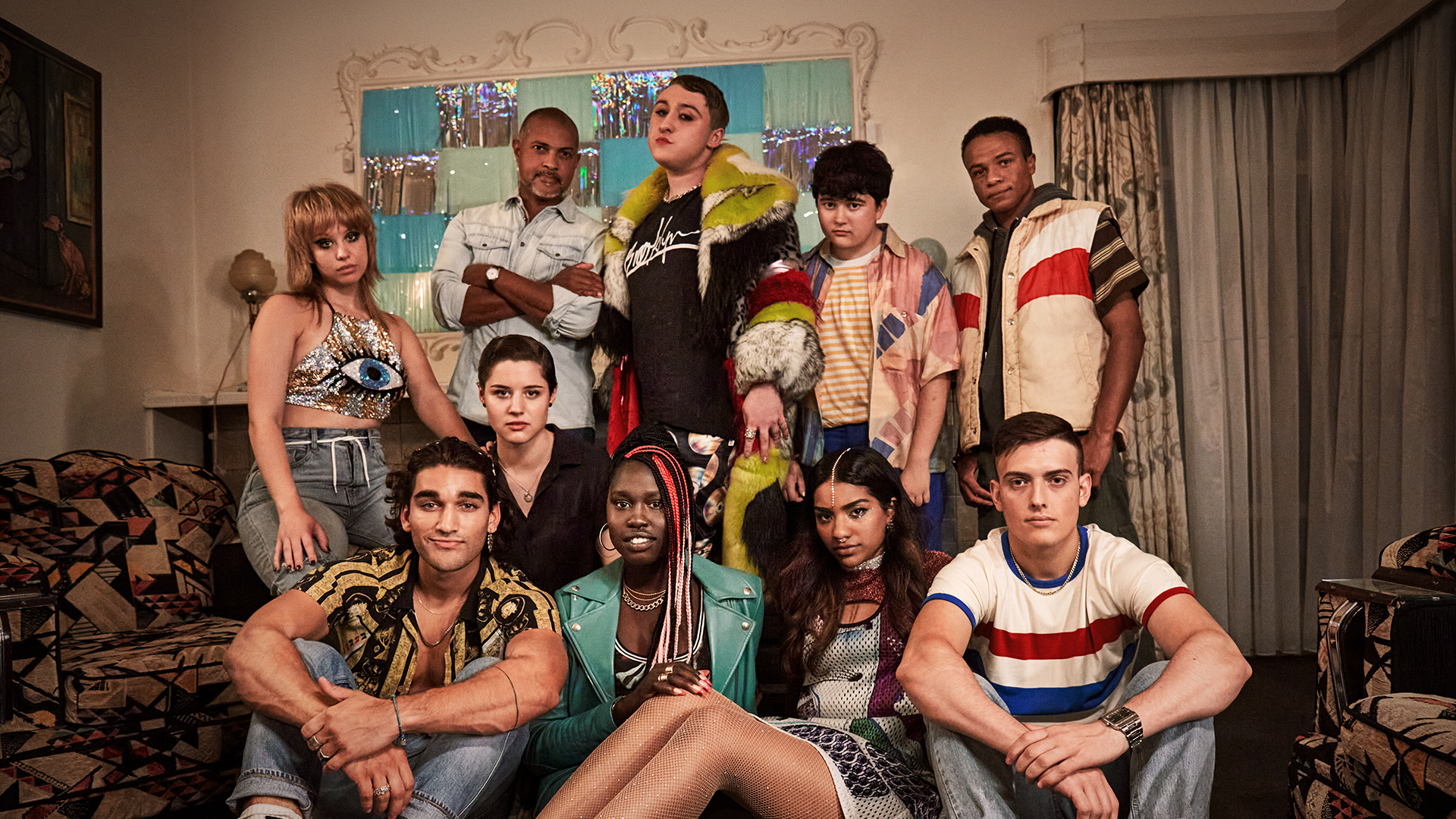
More Than This normalises diversity through a range of characters who identify as part of the LGBTQIA+ community. The show focuses on the characters’ experiences with school, family and platonic and romantic relationships, rather than specifically on their LGBTQIA+ identities. This presents the characters as well-rounded instead of tokens of diversity. For example:
- Jamie (who identifies as non-binary) struggles with being shy and making friends. Their story-arc consists of meeting Zali who introduces them to her friend group where Jamie finally starts to feel accepted.
- Zali (who identifies as a lesbian) faces overwhelming academic pressure and anxiety. She also feels constant pressure to please her girlfriend, friends and family, which takes a toll on her physical and emotional wellbeing.
- The students’ teacher Mr E (who identifies as gay) has recently separated from his partner and now struggles not having contact with their son. He begins to enjoy life again by making meaningful connections with his students and going on a successful first date.
By treating LGBTQIA+ identity as just one part of a character’s life rather than the defining trait, More Than This reflects experiences that resonate with a broad audience.
It combats hurtful stereotypes
The LGBTQIA+ community has had its fair share of harmful stereotypes that have existed on our screens since before characters could even consider being ‘out’. For example, LGBTQIA+ characters have often been critiqued as one-sided ‘token’ representation, or, on the other extreme, only being associated with trauma and struggle caused by their identity. While it is important to acknowledge these themes, this can further enforce the stereotype to young people that LGBTQIA+ individuals are destined to be unhappy. We can instead find power in exhibiting positive and nuanced depictions of the community, showing that LGBTQIA+ people can experience joy and live normal lives.
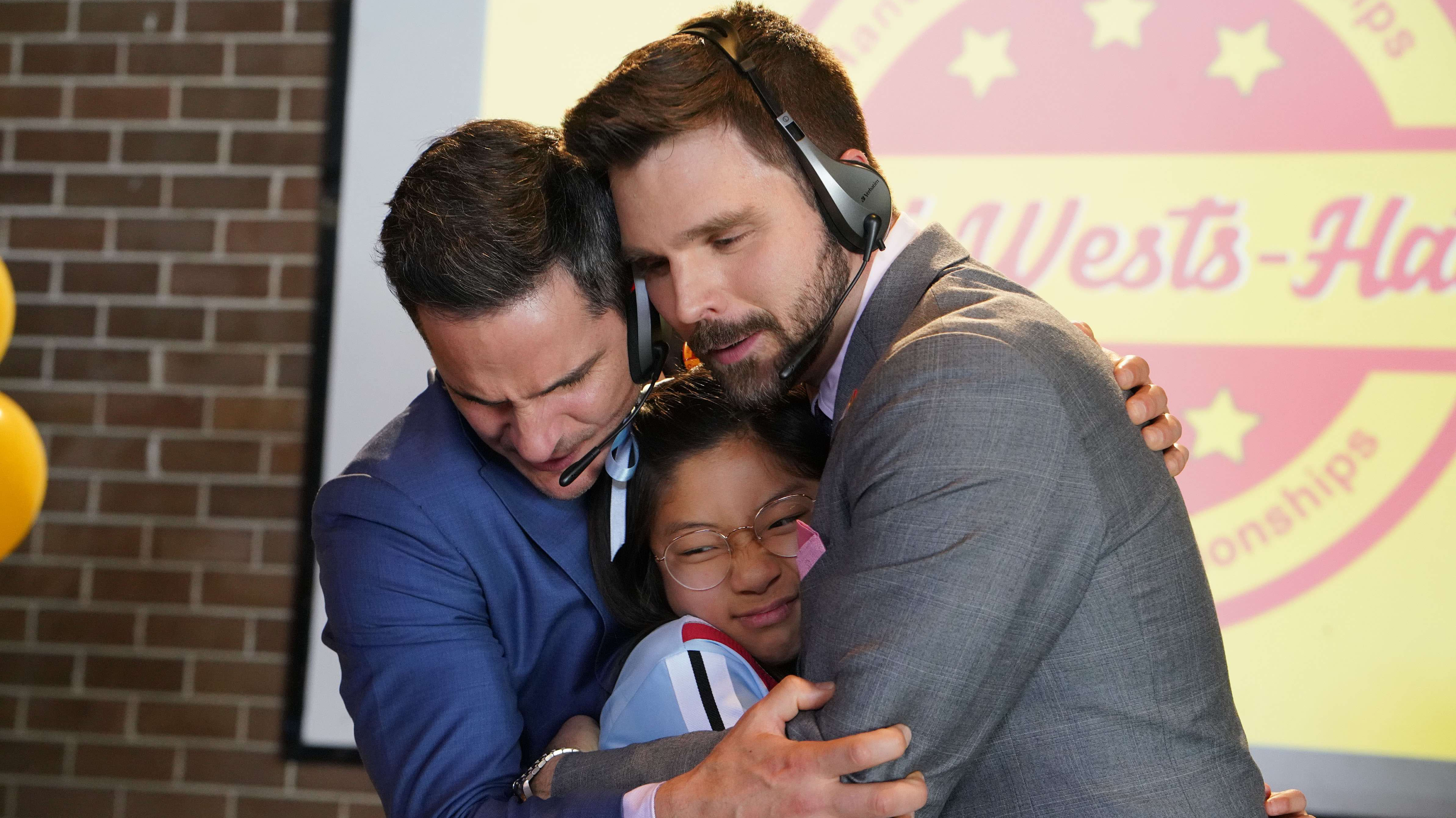
In Hardball, Tiffany’s dads, Bevan and Jayden, go against the typical comical token stereotype. Same-sex parents on screen are often reduced to exaggerated archetypes that embody gendered roles of a traditional heterosexual couple. This is generally done to make them more palatable for mainstream audiences, making them the ‘butt of the joke’. A quintessential example of this is Mitch and Cam in the American sitcom Modern Family. Although Bevan and Jayden do make jokes throughout the series, it is never at their expense. Instead, they are portrayed as equal, with their main priority being to provide support for their child and the school’s hardball competition.
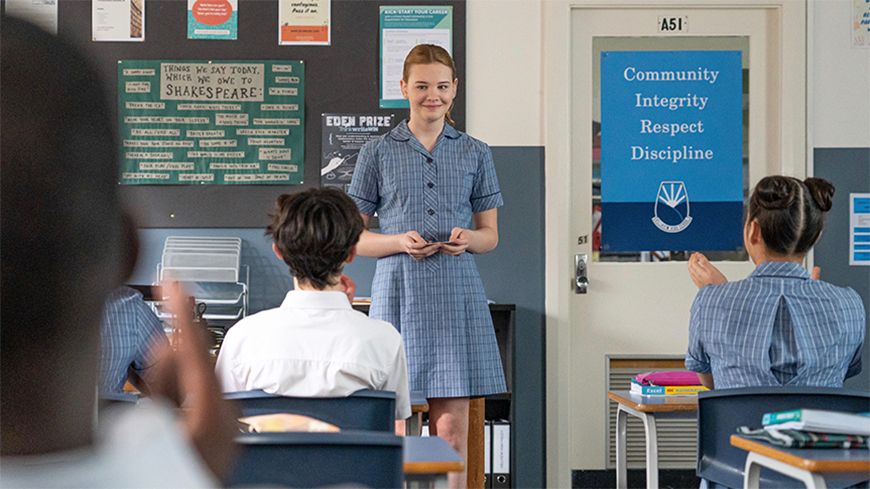
First Day highlights the importance of uplifting LGBTQIA+ stories at a time when LGBTQIA+ identity is often associated with isolation and trauma. The show centres around Hannah – a transgender girl who is starting fresh at a new school. The first series follows Hannah navigating her way through being anonymously outed and bullied before finding support through new friendships. In the second series, Hannah starts a Pride Group that grows into a welcoming, ally-friendly space, leading to meaningful school change, including a more inclusive uniform policy. Hannah even convinces her newly transitioned friend Josh to return to school. First Day does tackle issues faced by the LGBTQIA+ community but ultimately lifts them up, combating harmful stereotypes and showing that LGBTQIA+ people can be accepted by their peers and live happy, healthy and normal lives.
As we mark IDAHOBIT day, we’re proud of the role children’s television can play in fostering understanding, empathy and belonging for the LGBTQIA+ community. However, we know there’s always more work to do. Providing exposure to positive and authentic representation at home and in the classroom is an important first step that encourages self-acceptance, inclusivity and a sense of empowerment amongst young people. IDAHOBIT day is a reminder that inclusion isn’t a once-a-year conversation. It’s an ongoing commitment in drawing attention to stories that reflect the world as it is, and the world that we want kids to grow up in.